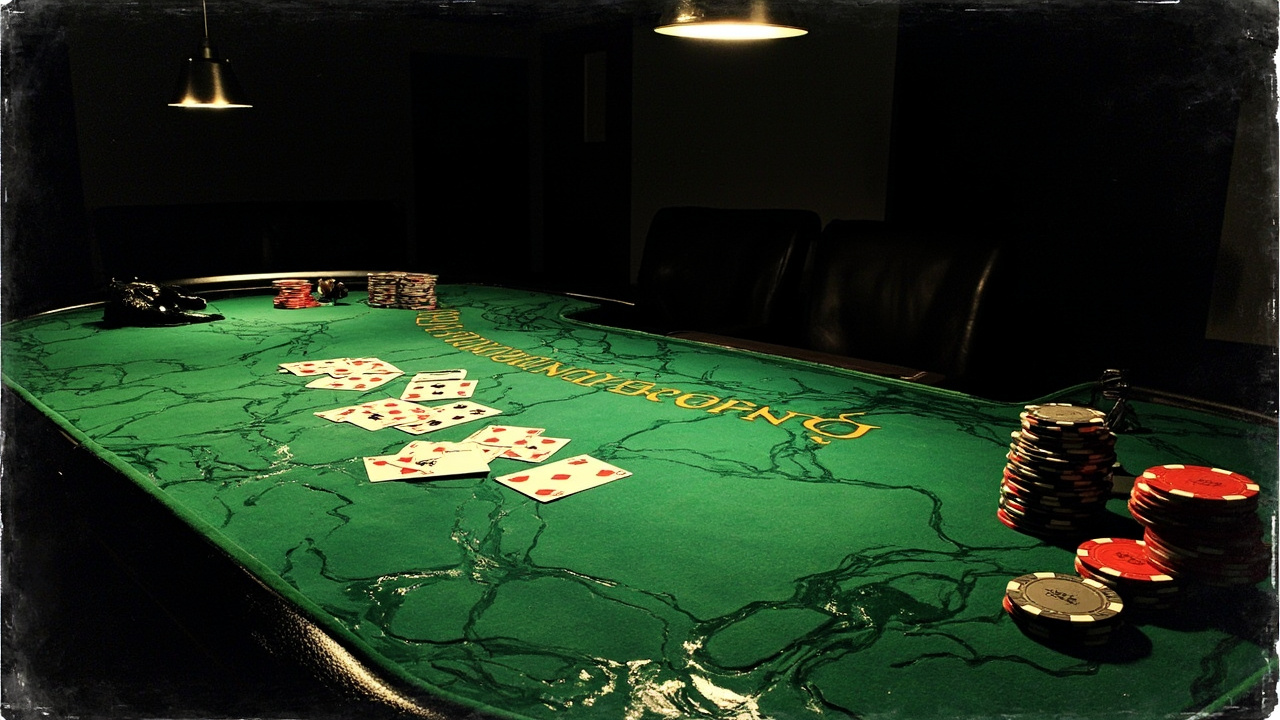
Live Poker Tournament Aud As A Different Way To Play
If you have spent enough time around tables, you know the rhythm of a live poker tournament aud is less about chasing a headline bonus and more about pace, seat comfort, and how a room holds together when the blinds climb. From my desk at Independent Gaming Pty Ltd, where I oversee supplier strategy and commercial flow, I read these events the way I read a venue lease: the numbers only matter if the floor actually works for the people walking onto it. That is the lens we apply here. the greatest catch slot
What The Format Prioritises On The Floor
A live poker tournament aud is built around a different set of priorities than the usual rush for a quick payout. The structure leans on timed blinds, a clear re-entry window, and a starting stack that gives hands room to breathe before the pressure sets in. I have sat through enough supplier pitches to know that a tidy deck and polished graphics do not automatically translate into a room that feels fair once the first hour turns crowded. What matters more is how the floor manager handles the gap between registration and the first break, and whether the seating holds when a Melbourne tram at peak hour packs people shoulder to shoulder just to keep moving. In a good room, that same compression works in your favour because the pace is controlled, the dealers are steady, and the clock is visible from most seats. We judge that as a commercial operation: if the schedule is honest and the table flow is predictable, the event earns repeat traffic without leaning on gimmicks. That is the part I look for first when I am reviewing a live poker tournament aud for an Australian audience that wants a proper session rather than a ten-minute adrenaline hit.
How The Room And The Tech Hold Up
Seat Comfort, Table Pace, And The First Hour
The first hour is where a live poker tournament aud either settles into a rhythm or starts to fray. You want a starting stack that lets you make real decisions before the blinds start nibbling at your margins, and a seating plan that does not force you to crane your neck for the clock or the dealer’s cues. I have seen supplier decks that look immaculate on a slide and still produce a floor where the timers lag and the re-entry lane becomes a bottleneck by the second level. A better setup keeps the table pace even, gives the floor staff enough room to manage disputes without dragging the whole room, and makes the progression of blinds obvious without someone having to ask three times. That is the practical side of the format: if the first hour feels managed rather than frantic, you can actually think about your hands instead of the room’s housekeeping.
Mobile Flow, Navigation, And Responsive Performance
Even when the event is live on the floor, the companion experience matters because most players check standings, blind levels, or re-entry details between hands. A mobile-first layout should load fast, keep the navigation simple, and not make you pinch and zoom just to confirm a starting time. I have reviewed enough products to know that responsiveness is not a cosmetic feature; it is the difference between a player staying engaged and a player walking off to find a room that does not make their phone feel like a delayed Sydney train on a bad day. The screen should present the same information a floor manager uses, just in a form that fits a pocket. When the performance is solid, you can check a blind schedule or confirm a re-entry window without breaking your concentration. When it is not, the whole event starts to feel like it is running on two separate clocks.
Why This Format Fits How Players Actually Play
A live poker tournament aud works for players who want a session they can plan around, not a promise that the next hand will sort everything out. The law of large numbers ensures casinos win overall, even if individual players get lucky, and that is the honest backdrop any serious player should keep in mind when choosing a format. I have heard enough marketing speak to know that a slick bonus page does not replace a stable floor, a clear schedule, and a room that respects the time people have set aside. For an Australian player, that usually means something you can arrive at, settle into, and play properly through a level or two without the whole event feeling like a Saturday queue at a Bunnings sausage sizzle where everyone is elbow to elbow and nobody is quite getting what they came for. The better events give you that kind of room: enough structure to follow, enough breathing space to think, and enough consistency that you can judge the session on its own terms rather than on whatever shiny claim was printed on the promo.

- Arrive early enough to register, confirm your seat, and read the blind schedule before the first level starts.
- Check the starting stack and re-entry window so you know how much room you have before pressure builds.
- Use the first hour to observe table pace, dealer rhythm, and how the floor handles the initial crowd.
- Keep your phone or browser open only for standings, blind levels, and re-entry details between hands.
- Decide whether the session still suits you once the blinds climb, rather than chasing a result that the format was never built to guarantee.
The right live poker tournament aud is the one that fits a proper session rather than a quick thrill, and that judgment comes down to floor management, schedule honesty, and a mobile flow that does not get in your way. I would rather see a room that holds its pace than one that drowns people in promises, and that is the standard I bring from managing commercial operations and supplier strategy day to day. As Grace Jackson, Head of Analytics, Banksia Betting Partners, puts it, the format only earns loyalty when the schedule, the stack, and the floor all tell the same story. Olivia Watson, Marketing Director, Banksia Betting Partners, adds that players stay when the event feels planned from the first registration to the final level, not when the promo tries to do all the heavy lifting. For anyone weighing a live poker tournament aud, that is the practical test: does the room support a real session, or does it just look good on the way in?